

Key Takeaways:
- Why winter rooms feel harsher: UK winter light sharpens corners and exposes bare floors.
- How irregular rugs help: Soft, sculptural edges break harsh geometry and make rooms feel warmer and more cohesive.
- Best placements: Living rooms, bedrooms, hallways, bay windows and narrow UK layouts.
- How to choose size: 160 × 230cm suits most UK living rooms; 140 × 200cm works for compact spaces.
- Material choices: Wool blends for warmth; acrylic blends for easy care in rentals or busy homes.
- Top problem solved: Irregular rugs soften lines, anchor seating areas and reduce the "empty, unfinished" winter look.
- Explore related options: Textured Rugs, Green Rugs and Black & White Rugs for winter-friendly styling.
When the clocks go back, most homes change without anyone moving a single piece of furniture. The light drops lower, almost sideways, and the floor suddenly steps forward. Corners look sharper, long rooms feel draughtier and even a living room you were perfectly content with in August can take on a slightly empty, unfinished quality. People reach for blankets, extra cushions and the good lamp in the corner, which all help a little, but they rarely change the feeling that the room itself has become harder.
What really shifts is how winter light reveals the geometry of the space. Straight lines feel louder. Bare timber or laminate looks wider and colder. Gaps between sofa, coffee table and chairs seem to stretch. A large irregular rug answers that problem in a way a rectangle rarely can. It softens the angles that have become too visible, pulls the furniture back into relationship and gives the room a centre that feels settled rather than stark.
If you like browsing examples as you read, our Irregular Rugs Collection brings together the sculptural, wavy and organic shapes that suit winter light in UK homes especially well.
When winter light makes rooms feel sharper
Winter daylight in the UK does not arrive politely from above. It slides in through side windows, hits skirting boards and table legs, then runs straight across the floor. The result is a room where every hard edge looks more insistent. That long stretch of floor between the sofa and the TV unit suddenly feels exposed. The patch of bare timber next to the coffee table begins to look like a gap rather than breathing space. This is one of the most common winter home issues UK renters search solutions for, especially in living rooms with bare timber or laminate floors.
A large irregular rug interrupts that storyline. The softened outline changes the way the eye moves around the room. Instead of tracing a neat rectangle that echoes the walls, you get a more relaxed, sculptural shape that breaks the hardest lines. The floor stops feeling like one cold sheet and starts to feel like part of a lived-in layout again.
You notice the difference the first time you walk in with a cup of tea at four o'clock and realise the room no longer looks quite so unforgiving.


Why sculptural rugs do something rectangles cannot
Rectangular rugs reinforce structure. That can be helpful in brighter months when the room feels loose and you want order. In winter, when the architecture already feels strict, repeating the same geometry on the floor can make a space look even boxier. A sculptural irregular rug works differently because it breaks the grid rather than repeating it. This is why so many "winter living room update" searches point towards softer shapes rather than strict rectangular layouts.
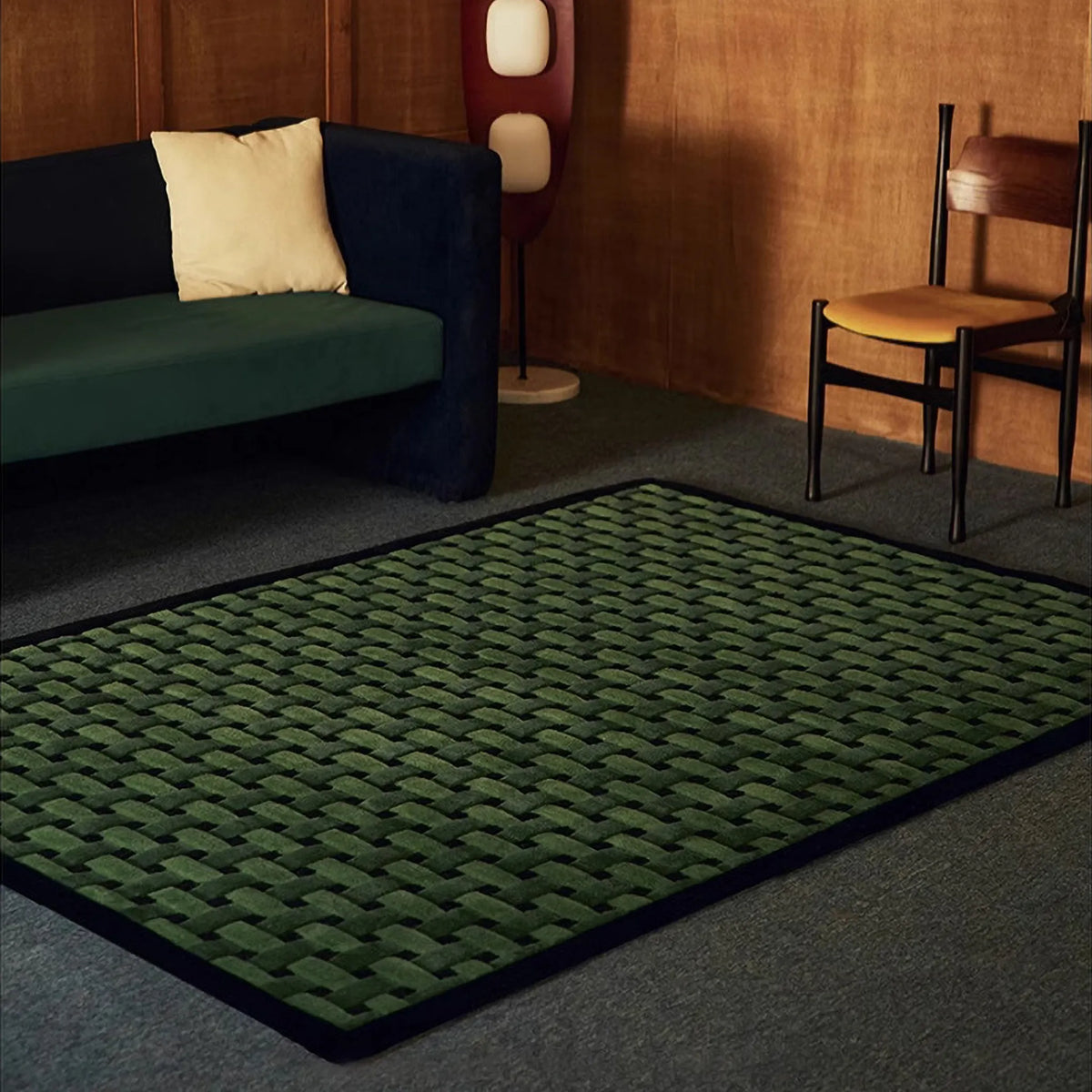
The Verdure Deep Green Moss-Inspired Rug shows this clearly. Before the colour has even registered, the outline is doing the work. The drifting edges pull attention away from the exact width of the room and towards the shape itself. A long living room begins to feel shorter and calmer. The floorboards stop reading as a long runway and start to feel contained.
Bedrooms respond in the same way. Sliding the lower third of a bed onto a curved irregular rug softens the severity of the bed frame and makes the space feel easier first thing in the morning. You do not notice the rug as an object. You notice that the room feels kinder.
For readers who enjoy understanding how irregular rugs became part of modern décor, The Quiet Rise of Irregular Rugs explores the shift towards softer geometry in UK interiors.
How to choose an irregular rug that works in winter
In winter, many people underestimate how much rug they need. A size that felt generous in July can look small once the light drops and the floor becomes more visible. A large irregular rug solves this naturally because it does not rely on precise alignment with furniture or walls. It simply needs to reach into the zones where people sit, walk or pause. Most people searching for "best rug size for UK living room" fall between these two sizes, especially when trying to warm up a space for winter.
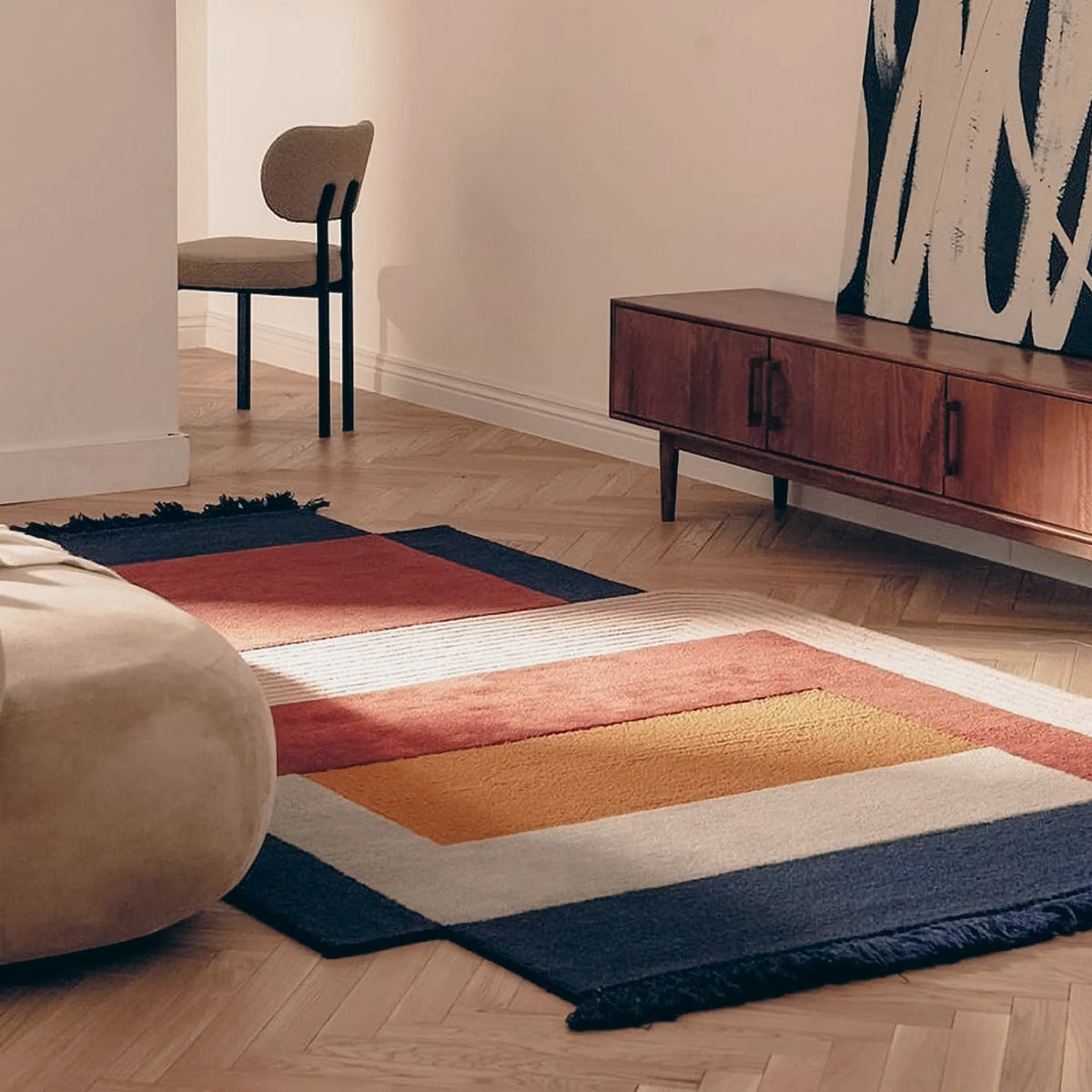
For many UK living rooms, the sweet spot is 160 × 230 cm. At this scale, rugs like Verdure, Nova or the Coquille Green Cream Irregular Seashell Rug cover the parts of the floor that winter light exaggerates. The sofa's front legs sit on the rug. The coffee table sits within its outline. The remaining strip of bare floor feels intentional rather than exposed. The room reads as one space again.
In small UK living rooms, 140 × 200 cm can be enough. The Biscuit Beige Shaggy Abstract Rug and Biscuit Green versions work well. They gather the seating area into a single zone without overwhelming a compact terrace or flat.
Bedrooms benefit from the same logic. Sliding a large irregular rug under the lower third of the bed gives you warmth underfoot and reduces the amount of bare floor highlighted by cold winter light.
If you want to compare pile types, carving or texture, our Textured Rugs Collection is a helpful place to see how different surfaces behave in low daylight.


Wool blends or easy-care fibres
Material matters more in winter than people realise. Wool-blend irregular rugs, such as Verdure or Coquille, bring natural weight and warmth, hold colour softly and handle angled daylight well.
Acrylic blends, like the Biscuit designs, have their own strengths. They are forgiving in rentals, easier to care for and ideal for homes with pets or busy routines. In winter that can be a real advantage, especially if the rug will be a main gathering spot.
How irregular rugs behave in real UK layouts
Few UK homes are simple boxes. Bay windows, chimney breasts, alcoves and narrow extensions become more noticeable in winter. Shadows collect in corners. Long rooms feel like corridors. The wrong rug repeats the problem. This is particularly true in Victorian terraces and new-build flats where winter light exaggerates every straight line.
An irregular rug absorbs some of this awkwardness. In a long through-lounge, a sculptural piece like Coquille cuts across the tunnel effect and draws the eye inward. The room stops feeling like a passageway and starts feeling like a place to talk.
In bay windows, irregular rugs settle naturally. Instead of slicing across the architecture with a straight line, they echo the curve. A reading chair and lamp suddenly look as if they belong there. Small bedrooms respond in the same way. A sculptural rug gives you a soft landing and a place for the eye to rest, so the room stops feeling cramped.
Where Nova works best when a room feels too open or echoey
The Nova Black White Irregular Wavy Rug behaves differently from Verdure and Biscuit. It has a larger footprint, a calm monochrome palette and the scale to organise a room that feels too open or echoey. It defines a living zone without boxing it in.
In modern flats with simple architecture, Nova helps the floor feel less empty under winter light. On timber or laminate, the wavy outline catches the light in a way that softens contrast without losing clarity.
For homes already leaning towards monochrome, Why Black and White Rugs Still Rule looks at how contrast can feel warm rather than clinical when the silhouette carries the softness.


Why texture matters so much in low daylight
Winter light is kind to texture. It catches carved edges, high and low pile and small variations in yarn. A textured irregular rug changes the sound of a room as much as the look. Footsteps soften. Echo disappears. The room feels fuller. This is why so many "cosy winter living room ideas UK" searches include texture, as low daylight rewards surfaces that catch and soften the light.
The Biscuit Beige Shaggy Abstract Rug shows this well. Its broken geometry pulls the seating area together, while the pile gives the space a quiet depth. The Biscuit Green version adds the same tactility with a more nature-driven palette. For more examples, our Textured Rugs Collection offers side-by-side comparisons.
The emotional shift of sculptural rugs in winter
The practical benefits are easy to describe, but the emotional shift is what people notice. A room that felt unfinished becomes composed. Harsh corners soften. Bare floors no longer dominate the view. The atmosphere feels gentler.
People often say their room suddenly feels easier to keep tidy even though nothing about their storage has changed. That is because the eye is no longer following straight lines and exposed patches of floor. The rug gives the room a softer rhythm, which matters during long UK winters.
If you prefer a more playful approach, Top 3 Irregular Rug Styles That Make Any Room Look Designed explores how wavy, angular and runner-like shapes add character as well as comfort.
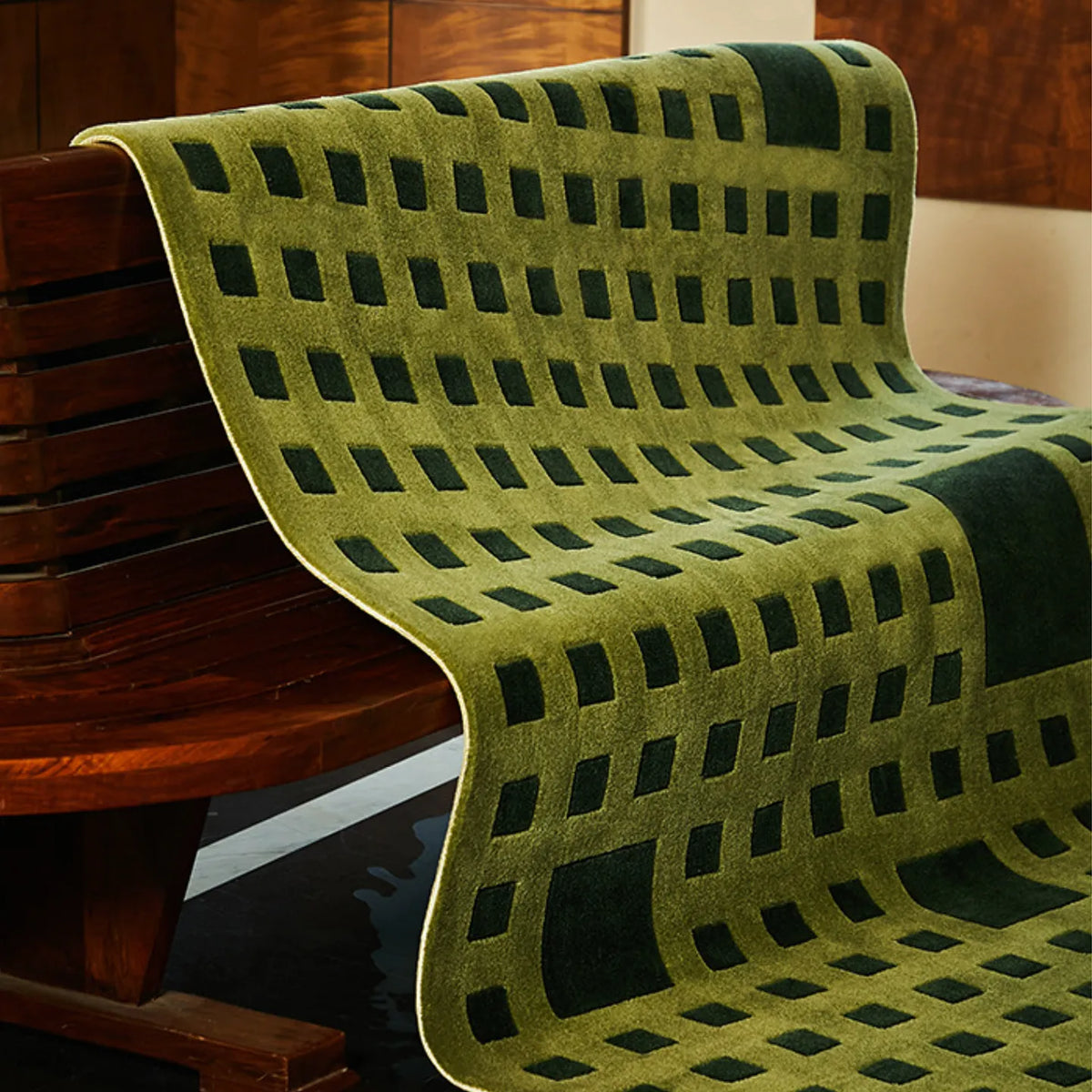
If green tones help you feel grounded, our Green Rugs Collection gathers moss greens, sage and deeper forest shades that sit beautifully with irregular edges.


Exploring sculptural options for your own home
Large irregular rugs are not just a trend. In real UK homes, with compact rooms, awkward corners and a long season of low daylight, they solve ordinary problems in a gentle way. They soften sharp lines, bring furniture back into relationship and help the floor feel like part of the room again.
If this guide has helped you see your home differently, you can explore everything mentioned here in our Irregular Rugs Collection. It is curated with winter in mind, from deeper greens and warm neutrals to sculptural monochromes like Nova.
Frequently Asked Questions About Irregular Rugs in Winter
1. Is a large irregular rug better than a rectangular rug for winter?
Often yes. In UK winter light, straight edges and bare floors look harsher. A large irregular rug breaks those hard lines, warms the room visually and makes the layout feel more cohesive.
2. What size irregular rug works best for UK living rooms?
For most rooms, 160 × 230 cm gives enough coverage to anchor the seating area. In smaller terraces or flats, 140 × 200 cm is usually enough to soften winter light and reduce exposed floor.
3. How should I place an irregular rug in a living room?
The front legs of the sofa should sit on the rug, and the coffee table should rest within its shape. Irregular rugs are forgiving; they do not need perfect alignment to look balanced in winter.
4. Are irregular rugs good for rented homes?
Yes. They warm up winter rooms, reduce echo and improve the layout without any permanent changes, which makes them ideal for UK rentals.


0 comments